English
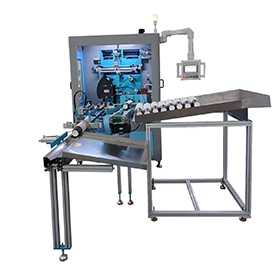
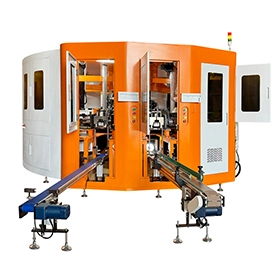
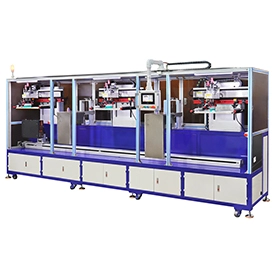
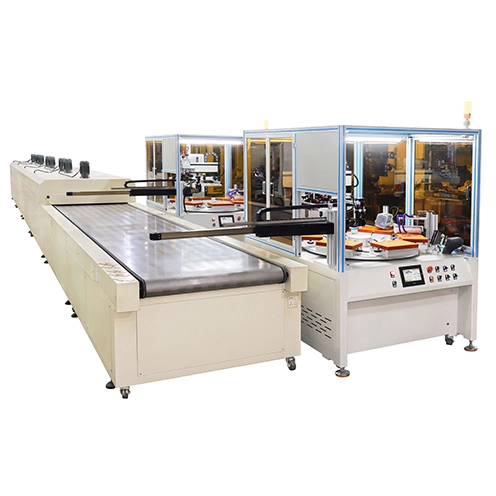
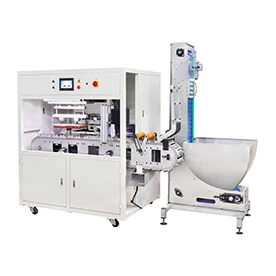
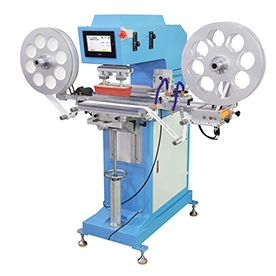
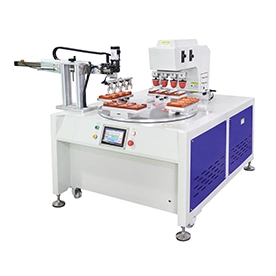
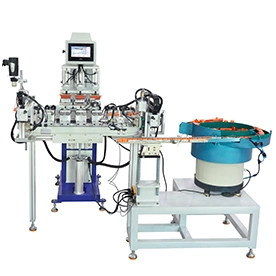
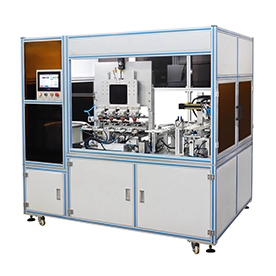
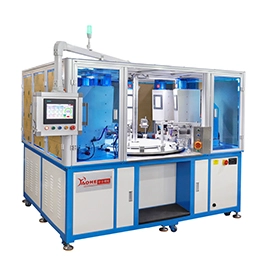
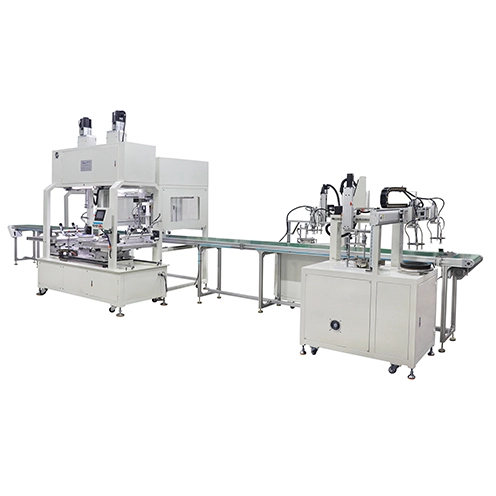
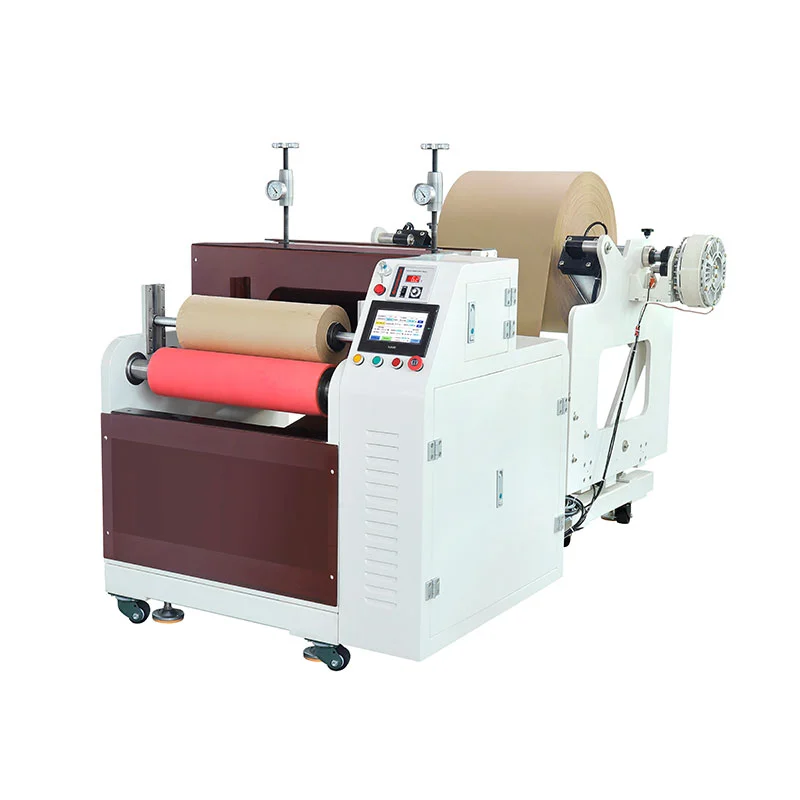
Missing critical markings on pills? Modern medicine printing machines apply FDA-compliant identification at 30,000+ tablets per hour with 100% legibility.
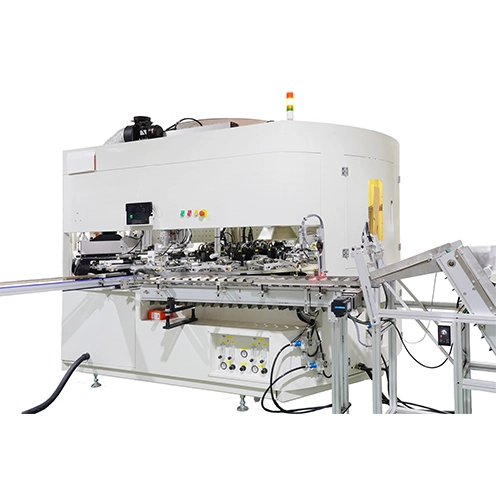
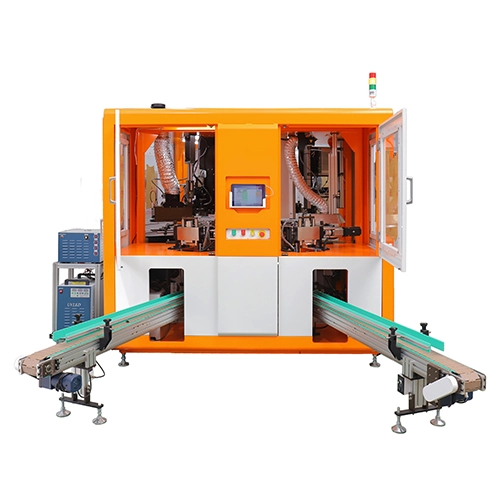
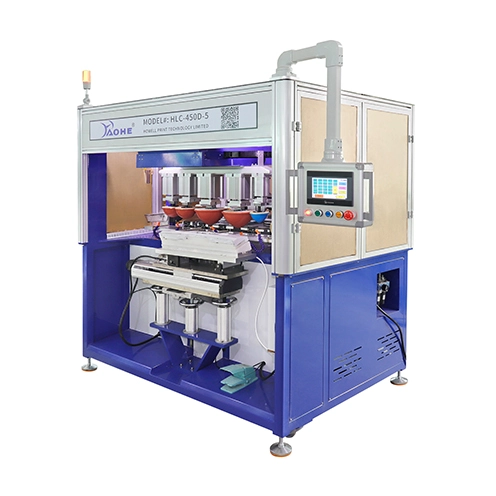
Medicine printing machines use high-precision contact or non-contact methods to mark tablets, capsules, and packaging with dosage information, batch codes, and safety data - replacing error-prone manual labeling while meeting strict GMP pharmaceutical standards. Haover's fully automatic screen printing machine models achieve <0.01mm print registration. As a reliable pharma printing machine, these systems are designed to meet the demanding accuracy, traceability, and compliance requirements of modern pharmaceutical manufacturing.
Key advantages:
99.9% read rate for serialization
Medical-grade edible inks
21 CFR Part 11 compliant tracking
Instant ink cure without heat
Printing on curved surfaces? Pharma-grade systems solve unique pill-marking challenges.
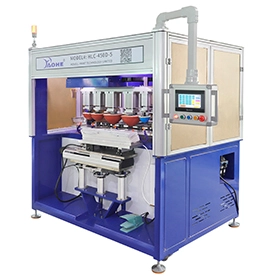
Pharmaceutical printing machines use either: (1) offset pad transfer for concave/convex surfaces, or (2) micro-valve jetting for non-contact ink application, both achieving 50-micron resolution on tablets as small as 3mm diameter - far surpassing manual methods.
Technical comparison:
| Method | Speed | Minimum Size | Ink Options | Best For |
|---|---|---|---|---|
| Screen Printing | 15K/hr | 5mm | Pigment/edible | High-opacity marks |
| Pad Transfer | 28K/hr | 3mm | Alcohol-based | Curved surfaces |
| Inkjet | 45K/hr | 1mm | Water-based | Tiny text/barcodes |
| Laser | 75K/hr | 2mm | N/A (etching) | Permanent marks |
Haover's innovation: Our MPM-3000 model combines screen accuracy (for logos) with inkjet flexibility (for variable data) in one FDA-validated system, reducing equipment footprint by 40%.
Relying on manual inspection? Automated printing ensures regulatory compliance and patient safety.
Medical printing machines eliminate 98% of medication errors through clear, machine-readable markings while reducing production costs by 60% compared to pre-printed packaging - with Haover's systems achieving zero cross-contamination through self-cleaning print heads.
Critical benefits:
Real-time inspection: Rejects misprinted units
Material traceability: Embedded serial numbers
Ink compliance: Meets USP/EP standards
Data integrity: Audit logs for FDA review
90% faster than hand stamping
30% material savings vs pre-printed blisters
24/7 operation with <0.5% downtime
Quick changeover between formulations
FDA requirement alignment: All haover fully automatic screen printing machine models include documentation packages for immediate validation under WHO, EU GMP, and US Pharmacopeia standards.
Budgeting for pharma-grade equipment? Pricing scales with automation level and throughput.
Entry-level tablet printers start at $25,000 for manual benchtop models, while production-scale fully automatic medicine printing machines range from $85,000 to $400,000 - with typical ROI within 18 months through reduced recalls and higher line speeds.
Investment breakdown:
| Model Type | Price Range | Capacity | Best For |
|---|---|---|---|
| Manual | $25K-$45K | 5K/day | R&D labs |
| Semi-Auto | $65K-$120K | 50K/day | Clinical batches |
| Fully Auto | $150K-$400K | 300K+/day | Commercial production |
| Hybrid | $250K-$600K | Multi-process | Complete serialization |
Total cost considerations:
Installation: $3,000-$15,000
Validation: $5,000-$30,000
Annual maintenance: 8-12% of capital cost
Ink/consumables: $0.0003 per print
Beyond surface markings? Emerging tech enables active ingredient printing.
While conventional medicine printing machine applies surface markings, 3D pharmaceutical printers now build complex drug formulations layer-by-layer - achieving precise dose combinations (up to 6 APIs in one pill) with 95%+ bioavailability as demonstrated in FDA-cleared Spritam® epilepsy tablets.
Technology comparison:
| Aspect | Traditional Printing | 3D Drug Printing |
|---|---|---|
| Purpose | Identification | Formulation |
| Resolution | 50 microns | 20 microns |
| Materials | Inks/markers | API-containing polymers |
| Customization | Batch codes | Patient-specific dosing |
| Regulation | GMP marking | NDA pathway |
Current applications:
Polypills: Combined hypertension medications
Tapered dosages: Gradual release profiles
Pediatric drugs: Precisely scaled doses
Clinical trials: Rapid prototype formulations
Haover's vision: We're bridging both technologies - our next-gen machines will combine high-speed surface marking with embedded QR codes for 3D-printed drug traceability.
From ensuring pill identification to enabling personalized medicine, Haover's medicine printing machines represent the convergence of pharmaceutical safety and industrial automation. As leaders in fully automatic screen printing machine technology, we're redefining how drugs are marked, tracked, and eventually formulated - one precise print at a time.