English
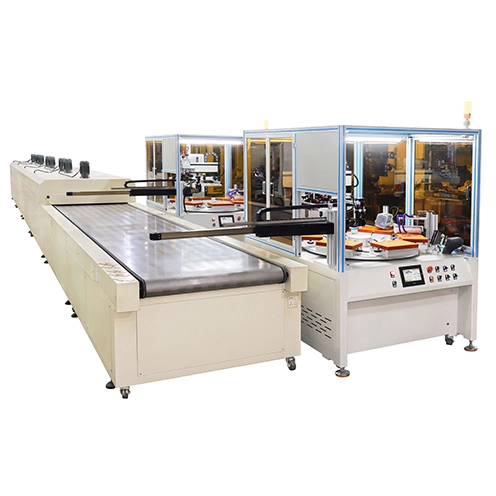
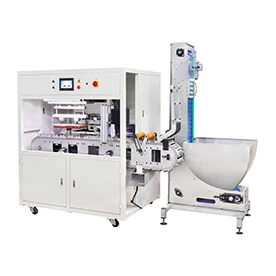
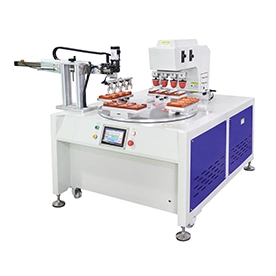
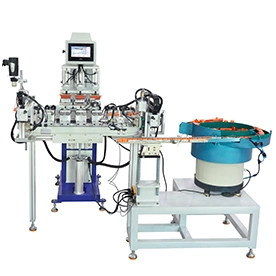
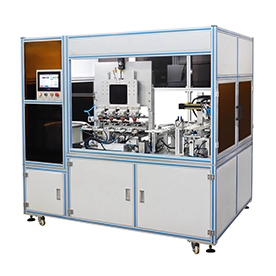
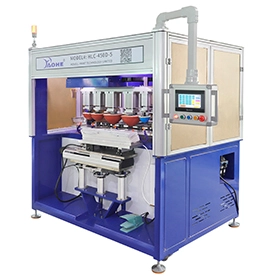
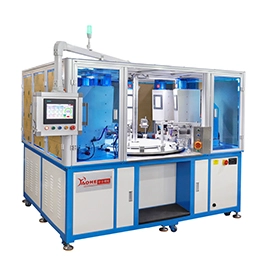
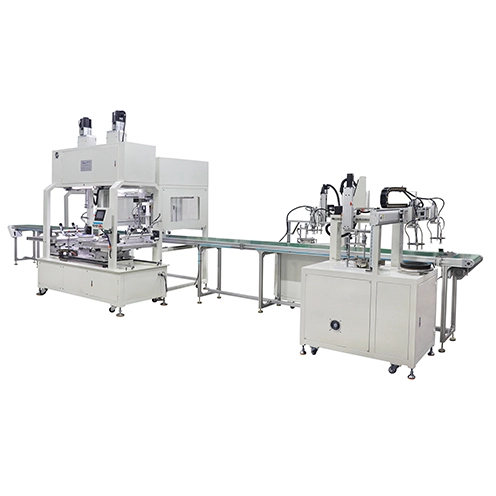
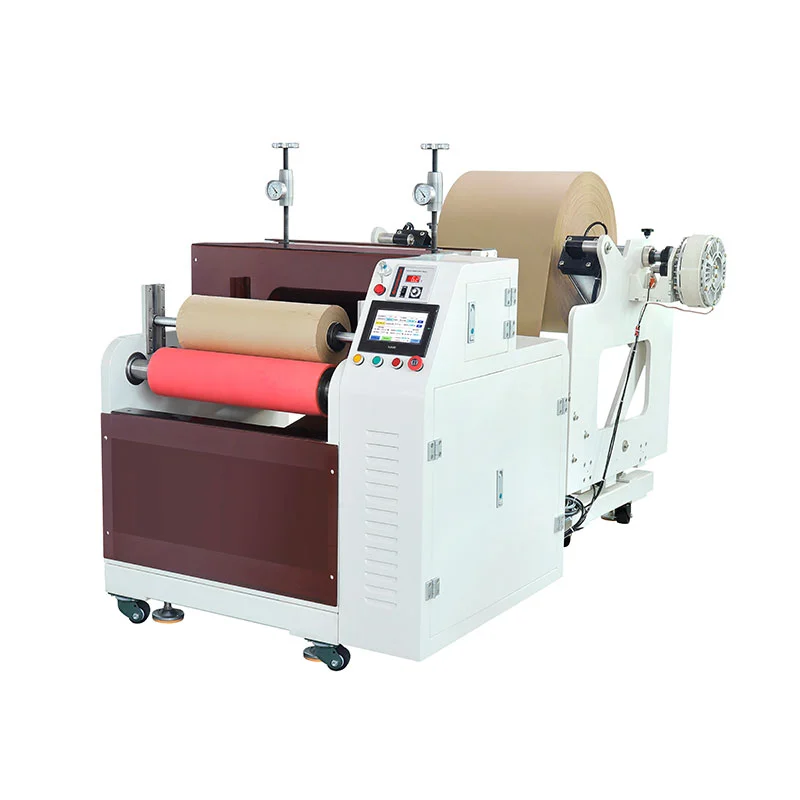
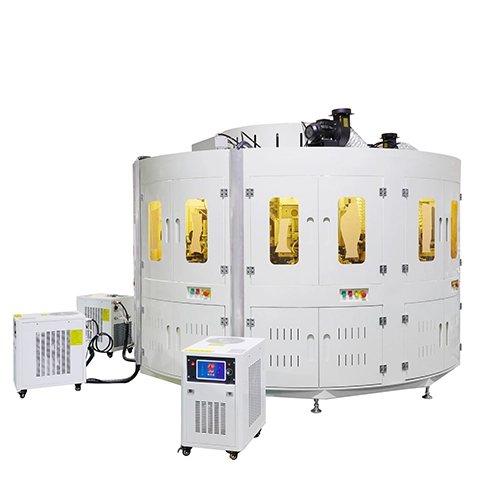
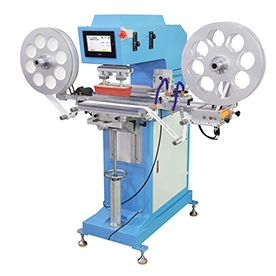
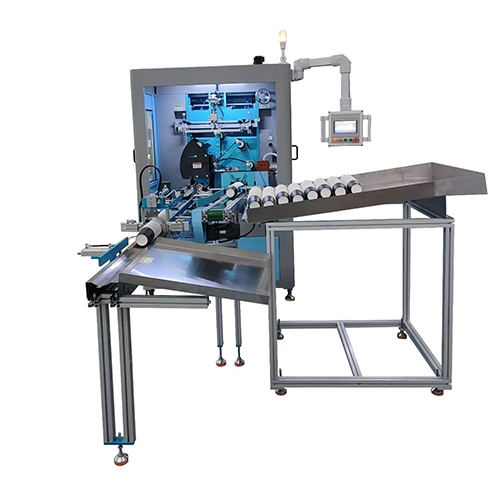
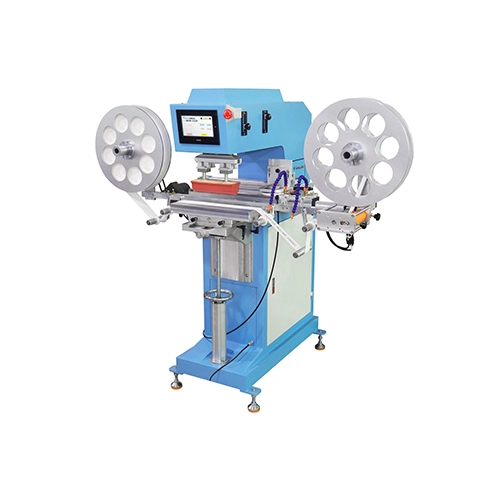
A high speed pad printer is a type of printing equipment that uses a silicone pad to transfer ink from a plate or photopolymer onto the surface of a workpiece. Compared to traditional pad printers, its biggest advantages are high printing speed, repeatable precision, and a high level of automation, making it ideal for printing complex patterns or workpieces with high detail requirements.
Fast Printing Speed and High Efficiency
The high speed pad printer optimizes its mechanical structure and control system to perform more print cycles in a given amount of time. Some advanced models can achieve printing frequencies of several thousand cycles per hour, significantly boosting production efficiency, making it suitable for high-volume continuous production.
High Repeatability and Precision
High speed pad printer often employs servo control systems and high-precision guide rails, achieving print precision within ±0.01mm. This is especially critical for industries requiring fine patterns, such as electronic component labeling, medical equipment markings, and more.
Strong Automation Integration
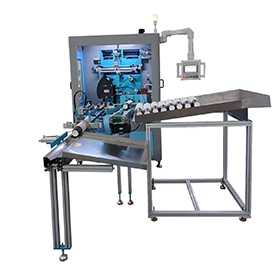
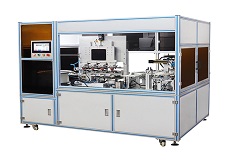
Modern high speed pad printer widely supports integration with robotic arms, vision positioning systems, automatic feeders, conveyors, and other devices, forming a complete automated production line. Some models also feature multi-color printing capabilities, allowing for the simultaneous application of multiple color patterns in one pass.
Versatile Adaptability
The high speed pad printer can perform stable printing on a variety of materials, including plastics, metals, glass, ceramics, rubber, and more. Even irregularly shaped or complex workpieces can be printed with high quality using special fixtures or multi-axis motion platforms.
Ease of Operation and Visual Control
Modern high speed pad printer is equipped with touch-screen human-machine interfaces (HMIs), allowing users to quickly set printing parameters, adjust positions, and switch patterns. Additionally, some high-end models offer remote diagnostics and data logging features, making maintenance and quality traceability more convenient.
In industries where high efficiency and quality are crucial—such as electronics (e.g., mobile phone buttons, chip casings), medical equipment (e.g., syringe markings), and toys (e.g., pattern printing)—the high speed pad printer has become a core piece of equipment. Its non-contact printing method also gives it a unique advantage when working with fragile materials or curved surfaces.
Furthermore, with the growing demand for personalized customization, high speed pad printer that supports quick plate changes and small-batch flexible manufacturing will further expand their market application scope.
As an essential part of precision manufacturing, the high speed pad printer's high efficiency, precision, and adaptability make it indispensable in modern industrial production. With ongoing technological advancements, high speed pad printer is expected to make further breakthroughs in smart manufacturing, green printing, and personalized production, driving printing technologies to new heights.